
When two coaches count different events, fix the definition first
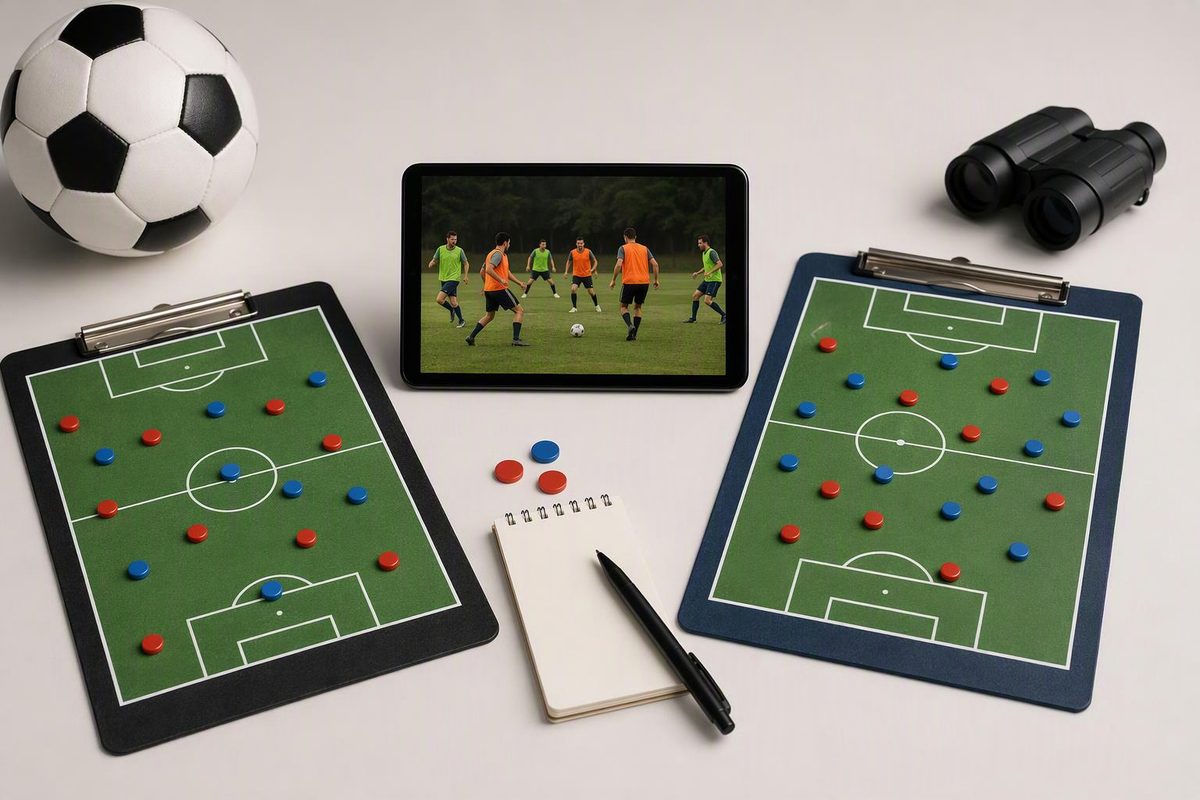
Resolve different soccer event counts by checking the footage, event definition and unclear examples before comparing players or sessions.
Resolve the disagreement before using the total
Two coaches can watch the same game and report different counts because they are counting different things. Before comparing players or changing training, inspect a few disputed moments together. Do not average the totals and call the disagreement solved.
FIFA’s Football Language provides operational definitions and video examples for football actions. That illustrates why a named event needs a definition; the practical checking sequence below is our coaching suggestion, not an official FIFA reliability test. FIFA: Football Language.
First check: did both coaches watch the same evidence?
Confirm the same time window, camera view and team. Check whether stoppages, restarts or a missing segment were excluded by one observer. If one person watched from the touchline and the other used video, label that difference before treating the counts as directly comparable.
Choose a single disputed event and retain its timestamp. Watch enough of the lead-up to identify what each person is classifying. An outcome at the end of a clip can be clear while the action that produced it remains off camera.
Second check: where does the event start and end?
For a hypothetical example, one observer calls any opposition touch a regain. Another requires controlled possession. A deflection followed by the original team recovering the ball then receives different labels even when both observers saw it correctly.
Write the chosen rule in a sentence. Include how you will handle a loose ball, a deflection and the ball leaving play. You do not need to declare one universal definition correct; you need a definition that answers your question and stays consistent across the observations being compared.
Third check: can the image settle it?
Use an “unclear” category when the relevant contact or player is obscured. Do not force agreement by letting the more senior coach decide what an invisible moment must have contained.
Keep the uncertain examples and the reason for uncertainty. If a later camera angle resolves one, record that change. If the footage cannot answer the question, select a more observable event or improve the view for the next recording.
Repair the rule, then recount
Add one clear example and one near-miss to a short tagging note. Each coach should apply the revised definition independently to a fresh small set of clips, then compare event-level labels. Matching totals alone can conceal different events being counted.
If you change the definition halfway through a session review, revisit the earlier events. Do not compare an old total with a new total under different rules without saying so.
Finish with a record of the time window, definition version, disputed events and unresolved views. This makes the count inspectable; it does not prove that the event causes a performance outcome or that the observer method has been scientifically validated.
Once the tag is usable, apply it to a defined observation period such as the baseline round in the scrimmage plan. Keep the count separate from the match score.